
Traveling With an Autistic Child: Tips and Strategies
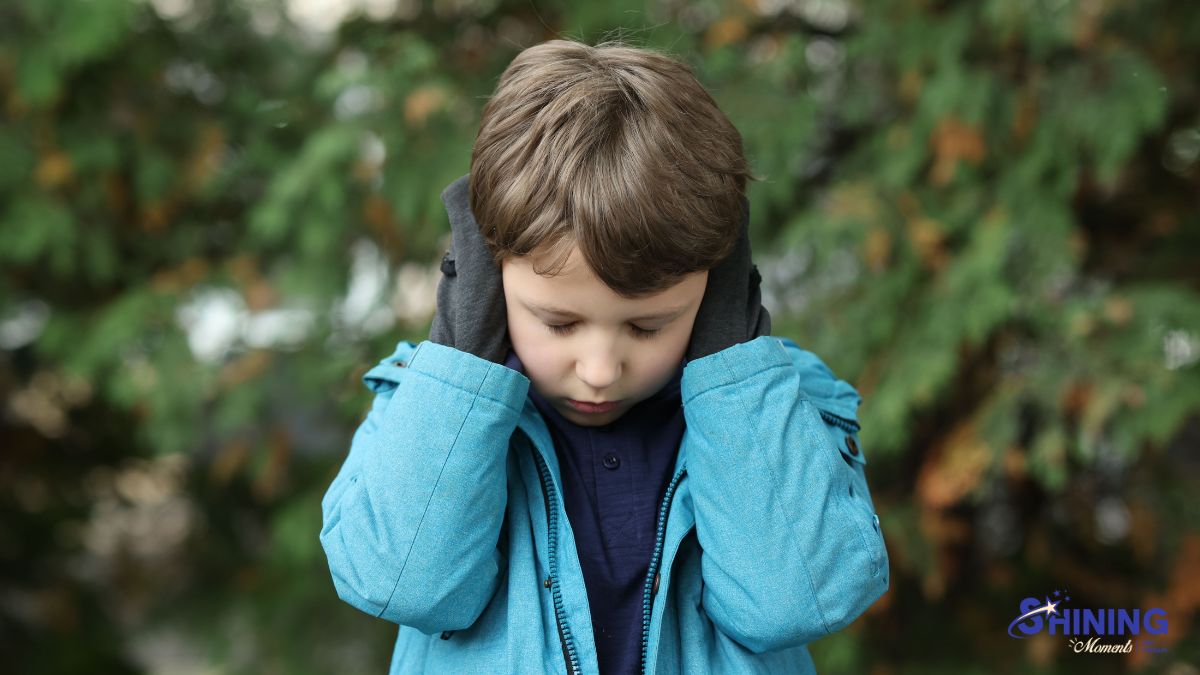
Travel can be exciting, but for many families, it can also feel overwhelming. When you are traveling with a special needs child, especially a child on the autism spectrum, extra preparation can make a meaningful difference.
Changes in routine, unfamiliar environments, sensory overload, and long transitions can increase anxiety. With thoughtful planning and structured support, however, family trips can become positive and manageable experiences.
At Shining Moments ABA, we often work with families on preparing for trips with autism in ways that reduce stress and increase confidence.
Why Travel Can Be Challenging
Children with autism often thrive on predictability and routine. Travel introduces many variables at once, including:
- New environments
- Unexpected schedule changes
- Crowded spaces
- Loud noises
- Waiting in lines
- Different food options
These factors can create sensory and emotional overload. Understanding these challenges allows families to proactively plan instead of reacting in the moment.
Preparing for Trips With Autism
Preparation is one of the most effective autism travel tips. The more predictable you can make the experience, the smoother it is likely to be.
Use Visual Supports
Create a simple visual schedule that outlines each step of the trip. Include pictures of:
- Packing
- Driving to the airport
- Boarding a plane
- Arriving at the hotel
- Planned activities
Review the schedule daily before departure. This reduces uncertainty and increases familiarity.
Practice in Advance
If possible, practice parts of the trip ahead of time. For example:
- Visit the airport viewing area.
- Practice sitting with a seatbelt fastened for increasing amounts of time.
- Take short car rides to build tolerance.
Gradual exposure helps build confidence.
Social Stories
Social stories can explain what to expect in simple, reassuring language. These are especially helpful when flying with autism or visiting unfamiliar places.
Flying With Autism: What to Know
Airports and airplanes can be particularly overwhelming. Bright lights, announcements, crowded terminals, and long security lines may trigger sensory sensitivities.
Here are some helpful strategies for flying with autism:
- Request pre-boarding to allow extra time for settling in.
- Bring noise-canceling headphones
- Pack preferred snacks and comfort items.
- Download favorite shows or games.
- Inform airline staff discreetly if your child may need additional support.
Many airports now offer rehearsal programs or quiet spaces for families. Researching travel accommodations for autism in advance can ease anxiety.
Choosing Autism Friendly Vacations
When selecting a destination, consider your child’s sensory profile and flexibility.
Autism friendly vacations often include:
- Predictable daily routines
- Smaller, less crowded attractions
- Accommodations with kitchen access
- Access to quiet spaces
- Flexible scheduling
Some theme parks, resorts, and museums offer disability access programs or sensory-friendly hours. Contact locations ahead of time to ask about travel accommodations for autism.
Vacation planning that prioritizes your child’s comfort can significantly reduce stress for the entire family.
Managing Transitions During Travel
Transitions are often the most difficult part of traveling with a special needs child. Moving from one activity to another can feel abrupt.
Helpful strategies include:
- Providing countdown warnings such as “five more minutes.”
- Using timers for clarity
- Offering small rewards for successful transitions
- Maintaining familiar bedtime routines when possible
Keeping expectations realistic is also important. Travel days may require flexibility and patience.
Supporting Emotional Regulation
Even with preparation, challenges may arise. When they do:
- Stay calm and use simple language.
- Offer choices when possible.
- Provide a sensory break if needed.
- Reinforce small successes
Positive reinforcement can go a long way in helping children feel capable and secure.
Building Travel Skills Over Time
Travel tolerance is a skill that develops gradually. Short, local outings can build the foundation for longer trips.
Through structured teaching and reinforcement, children can learn:
- Waiting skills
- Flexibility
- Coping strategies
- Communication in unfamiliar settings
These are the same skills we target in ABA therapy sessions, and they generalize well to travel situations.
Making Family Travel More Manageable
Traveling with an autistic child may require additional planning, but it does not have to be avoided. With thoughtful preparation and the right supports, many families create meaningful memories while strengthening important life skills.
At Shining Moments ABA, we help families build independence, flexibility, and coping strategies that support real-world success. If you would like guidance on preparing for trips with autism or strengthening your child’s adaptive skills, visit http://shiningmomentsaba.com/ to connect with our team today.
We are here to help your child shine, whether at home or on your next adventure.