
School Readiness and Autism: Preparing Your Child for Success
Preparing a child with autism for school is an exciting milestone, but it can also bring uncertainty. Questions about classroom routines, social expectations, and learning demands often arise long before the first day of kindergarten. School readiness is not about perfection or meeting rigid benchmarks. It is about helping children build the skills they need to participate, learn, and feel confident in a school environment.
For many families, Applied Behavior Analysis, or ABA therapy, plays a meaningful role in supporting school readiness autism goals. Through individualized, evidence-based strategies, children can develop the foundational academic, social, and behavioral skills that support long-term success.
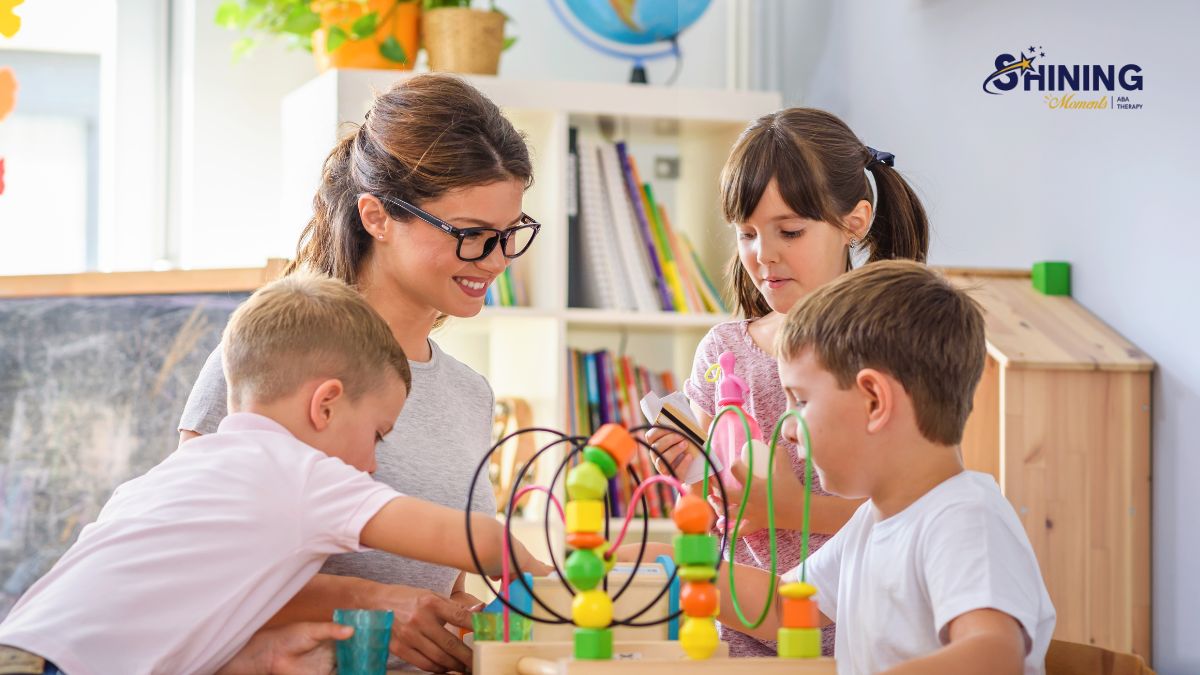
What Does School Readiness Really Mean?
School readiness includes far more than knowing letters or numbers. It reflects a child’s ability to engage with learning, follow routines, communicate needs, and manage emotions in a structured environment.
Key areas of school readiness often include:
- Following simple instructions
- Sitting and attending for short periods
- Transitioning between activities
- Communicating wants, needs, or questions
- Participating in group activities
- Managing basic self-care tasks
- Beginning academic skills like counting or recognizing letters
For children on the autism spectrum, these skills may develop differently or require more intentional teaching. This does not mean a child is incapable of success. It means they may benefit from structured, supportive preparation that meets them where they are.
Why School Readiness Can Be Challenging for Children With Autism
School environments place many simultaneous demands on children. It is a learning environment that is optimised for neurotypical children, but bright lights, noise, social interaction, transitions, and expectations for independence can feel overwhelming. Some children may struggle with communication, attention, emotional regulation, or flexibility, all of which are important for classroom participation.
School readiness support focuses on breaking these complex demands into manageable steps. Rather than expecting a child to adapt instantly to school expectations, skills are taught gradually, with consistency and encouragement.
How ABA Therapy Supports Kindergarten Preparation
Kindergarten preparation ABA programs are designed to help children develop functional skills that translate directly to the classroom. At Shining Moments ABA Therapy, school readiness goals are individualized and built around each child’s strengths, needs, and developmental level.
ABA therapy may support school readiness by helping children:
- Learn to follow classroom routines
- Respond to group instructions
- Increase attention and task completion
- Practice waiting and turn-taking
- Transition between activities with less distress
- Build communication skills for classroom needs
These skills are often practiced in natural settings such as the home, helping children generalize what they learn to new environments like school.
Building Early Academic Skills
Academic support does not mean pushing children into formal academics before they are ready. Instead, ABA therapy focuses on the building blocks that make learning possible.
Early academic skills for autism that support academic performance may include:
- Identifying colors, shapes, letters, or numbers
- Matching and sorting objects
- Following simple academic instructions
- Completing short learning tasks
- Responding to teacher prompts
These skills are taught in a playful, engaging way that respects each child’s pace. When children feel successful and supported, learning becomes less stressful and more meaningful.
Social and Emotional Readiness Matters Too
Success in school is not only about academics. Social interaction and emotional regulation play a major role in how children experience the classroom.
ABA therapy can help children practice:
- Greeting teachers and peers
- Participating in group play or circle time
- Asking for help appropriately
- Managing frustration or disappointment
- Understanding basic social expectations
These skills support confidence and help children feel more connected in a school setting. Small gains in social readiness can make a big difference in how a child experiences their day.
Supporting Independence and Self-Care Skills
School often requires children to complete tasks independently, such as putting away belongings, following routines, or managing bathroom needs. ABA therapy can help children build these independence skills gradually, reducing reliance on adult prompts.
By practicing independence at home, children gain confidence that carries over into the classroom. This sense of capability often supports smoother transitions into school environments.
Partnering With Families for Lasting Progress
Family involvement is a key part of effective school readiness preparation. ABA therapy works best when caregivers are included, supported, and empowered. Parents learn strategies they can use during daily routines, helping skills develop consistently across settings.
When families and therapists work together, children receive clear, predictable support that strengthens learning and reduces confusion.
Preparing for School Is a Journey, Not a Deadline
Every child develops at their own pace. School readiness is not about rushing or forcing skills. It is about building confidence, communication, and adaptability in ways that feel safe and achievable.
With the right support, children with autism can enter school feeling more prepared, more capable, and more confident in their ability to learn and grow.
If you are wondering how ABA therapy can support your child’s school readiness and kindergarten preparation, Shining Moments ABA Therapy is here to help. Contact our team today to learn more about personalized ABA services and take the next step toward a confident school transition.