
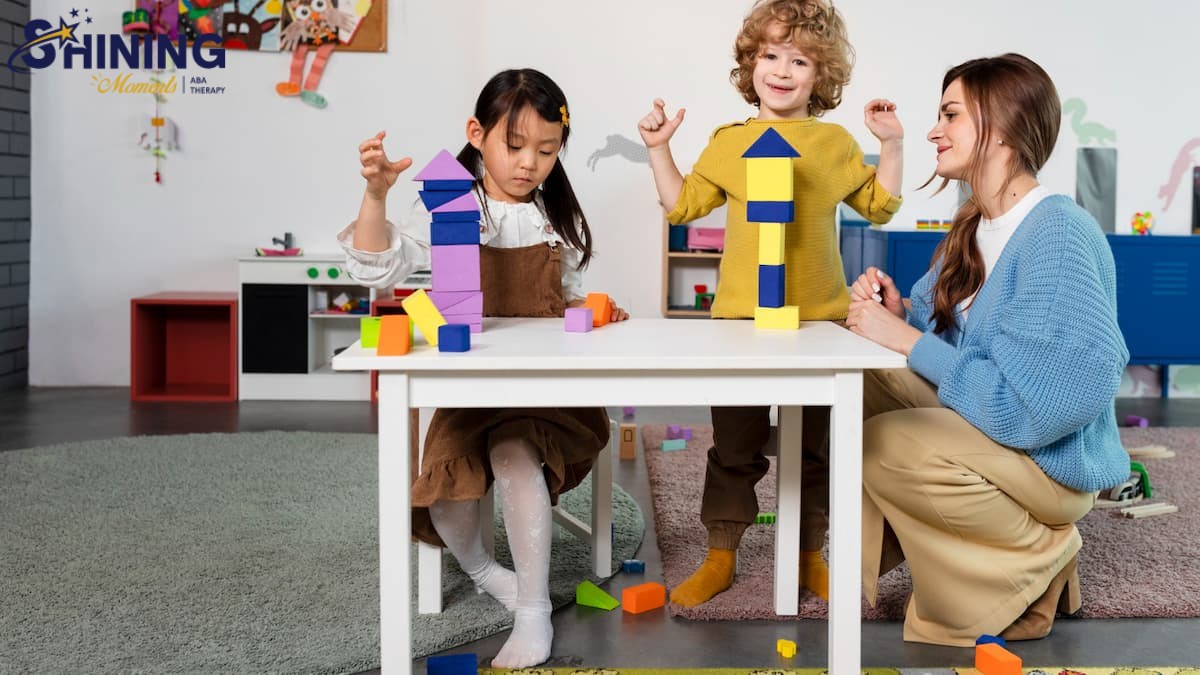
Play is more than fun. For your child, play is one of the best ways to learn how to connect with others. That’s where play-based ABA therapy comes in. It uses games, toys, and simple activities to teach social skills in a relaxed way. Your child isn’t sitting at a desk doing flashcards.
They’re building a tower, sharing crayons, or chasing bubbles, and learning all the while. This article walks you through how it works, why it helps, and how you can support it at home. You’ll find clear steps, real examples, and ideas you can use today.
Whether your child is just starting ABA therapy or has been in it for a while, you’ll come away with fresh tools. Let’s look at how play opens doors to social growth.
What Play-Based ABA Therapy Really Looks Like
You might picture ABA as a child sitting still at a table. That image is outdated. Today, much of play-based ABA therapy happens through games. The therapist watches what your child loves. Then they shape that love into a learning moment.
Say your child adores trains. The therapist might roll a train back and forth to teach turn-taking. Or they’ll wait for eye contact before handing over the next car. This is called natural environment teaching, and it’s a core part of behavior analysis.
Kids learn best when they’re happy. Play makes them happy. So skills stick faster. Families in Paterson and other areas often see strong results with this style. The work feels lighter, and the wins come more often.
Core Social Skills That Grow Through Play
Play teaches a wide range of social skills. Some are small. Some are big. All of them matter for daily life. Strong social skills through play for autism come from many small wins woven into daily fun.
Turn-Taking and Sharing
These are some of the first social skills kids learn. Through play, your child practices turn-taking and sharing with toys, snacks, or board games. The therapist sets short turns at first. Then they make turns longer as your child grows comfortable.
Eye Contact and Joint Attention
Joint attention means sharing focus on the same thing. A child points at a bird. You look too. That’s joint attention. Play creates many chances for this. Blowing bubbles, popping them, then waiting for your child to look at you all softly builds this skill.
Asking for What They Want
Many kids struggle to ask. Play opens the door. Through games, your child learns to use words, signs, or pictures to ask for help or items. This is part of improving communication in everyday life. The more they ask, the more they grow.
Why Play Works Better Than Drills
Drills have their place. But play often gets faster, deeper results for social skills. Why? Because play is real life. Kids share at parks, take turns in class, and play with friends. Play-based ABA therapy lets your child practice in the same setting where they’ll use the skill.
Here’s what play offers that drills don’t:
- Real-world settings that match daily life
- Built-in fun that keeps kids coming back
- Chances to practice with siblings, peers, or parents
- Flexible pacing based on the child’s mood
- More chances for natural language and gestures
Families in Lakewood often share that their child started asking to play after a few weeks of this approach. That alone is a huge step.
Popular ABA Play Therapy Techniques
There are many ABA play therapy techniques that therapists use. Each one targets a different skill. Some focus on speech. Others on motor skills. Most blend several at once.
Pivotal Response Training
This method follows your child’s lead. The therapist picks up on what your child finds fun, then teaches around it. If your child loves drawing, the therapist might hide a crayon and wait for your child to ask. It feels like a game, not a lesson.
Incidental Teaching
This means catching teaching moments as they pop up. Your child reaches for a juice box. The therapist holds it just out of reach, then prompts your child to ask. It’s quick and smooth.
Structured Play Sessions
Some sessions still use a clear plan. Discrete trial training can fit inside play, especially for skills that need lots of repeats. Therapists balance fun with focus.
How Parents Can Support Play Learning at Home
You don’t need a degree to help. You just need to follow your child’s lead and stay patient. A few simple shifts can turn home play into learning play.
Try these ideas during your day:
- Sit at your child’s level during play
- Wait a few seconds before handing over toys
- Name what you see (“You picked the red block!”)
- Take small turns with one toy
- Praise small wins like glances or words
Parents in Elizabeth often build mini play sessions into bath time, snack time, and bedtime. Even five minutes counts. The autism play skills development you support at home boosts what your child learns in session.
Bringing Siblings and Peers Into the Mix
Social skills grow stronger when your child plays with other kids. Start small. One sibling. One friend. One short game. Then slowly add more. Your therapist can help with sibling support and give brothers and sisters ideas that work.
Families in Hamilton Township often set up short play dates with one peer to start. Less pressure. More smiles. The goal is steady comfort, not perfection.
A good individualized behavior plan will spell out steps for peer play, what works for your child, and how to build from there.
Tracking Progress Without Losing the Fun
Play looks free, but therapists still track skills closely. They jot notes on how often your child shared, asked, or made eye contact. Those notes shape the next session. It’s how teaching social interaction through ABA stays focused even when it feels playful.
You can track too. Keep a small notebook. Jot wins like “took two turns” or “asked for milk.” Over weeks, you’ll see growth that lifts your spirits. The benefits of ABA, from communication to social skills, show up in those small daily wins.
Both ABA natural environment teaching through play and social play therapy for autism lean on this gentle tracking. Steady steps lead to bigger gains.
Common Play Activities That Teach Big Lessons
Some games carry more learning value than others. In play-based ABA therapy, the team often picks ones that work many skills at once. Here are a few favorites you can try at home too.
- Pretend cooking with toy food teaches turn-taking, sharing, and language
- Building blocks with a partner builds patience, requesting, and joint focus
- Hide-and-seek with simple rules helps with following directions and waiting
- Singing games like “Wheels on the Bus” build group joining and imitation
- Simple board games teach winning, losing, and game etiquette
You don’t need to play long. Five to ten focused minutes can teach more than an hour of background play. Keep it short, keep it sweet, and end on a happy note before your child loses interest or focus.
FAQs
How long does it take to see social skill growth?
Every child is different. Some show changes in a few weeks. Others need a few months. Steady weekly sessions and home practice both help speed real progress.
Can play-based ABA work for older kids?
Yes. Play-based ABA therapy just looks different. Board games, video games, or hobby clubs all count as play. The same ABA ideas apply to teens and older children too.
What if my child only wants to play alone?
That’s a great start. Therapists in Cherry Hill and other areas slowly join in. Bit by bit, your child gets used to a play partner.
Do I need fancy toys?
No. Simple items like blocks, balls, bubbles, and crayons work fine. Your child’s favorite toys are often the best tools for learning new skills together.
Is play-based ABA available outside New Jersey?
Yes. Many providers across Maryland and other states offer play-based services. Ask about it when you call any new provider.
Let the Giggles Lead the Growth
Play opens doors that drills can’t. When your child laughs, learns, and connects, play-based ABA therapy is doing its job. Each shared toy, each first word, each eye sparkle adds up to real social progress over time.
Shining Moments ABA makes play-based ABA therapy the heart of every session. Our team finds what your child loves and builds learning around it. Sessions feel light, but the skills run deep. Parents get tips to keep the fun going at home too.
Contact us today to see how playful learning sparks real growth. Let your child’s next big skill start with a smile and a simple game.