
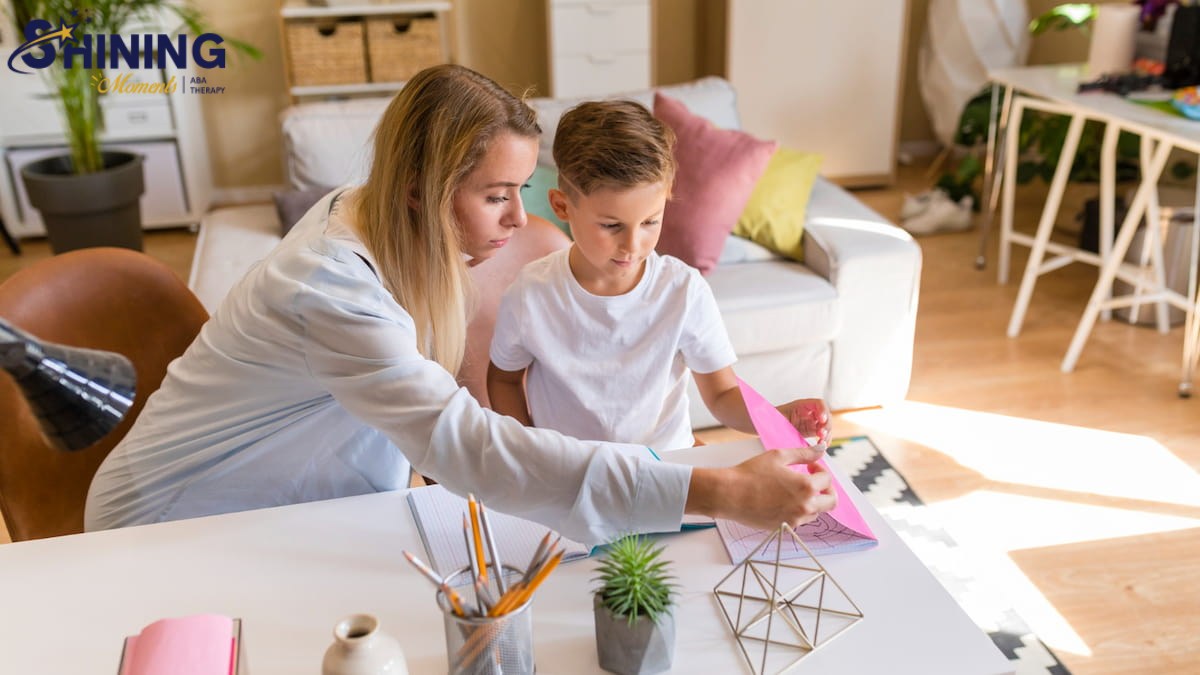
You want your child to get the most out of every session. That starts with preparing your home for ABA therapy in a way that feels calm, safe, and ready for learning. Many parents feel unsure about where to begin or what therapists actually need.
The good news is it doesn’t take a full home makeover. With a few simple tweaks, you can set up a space that helps your child focus. This guide walks you through clear steps any family can follow.
You’ll learn how to pick the right spot, cut distractions, and build routines that support learning. Whether you’re new to in-home ABA therapy or want to refresh your current setup, these ideas help you create a place where your child can grow. Small shifts often make a real difference.
Why Preparing Your Home for ABA Therapy Shapes Every Session
Children with autism often respond strongly to what’s around them. A messy or loud space can pull attention away from learning. A clean, quiet spot helps them stay engaged. Your therapist also needs room to move and run activities. Think of it like setting up a tiny classroom right inside your house.
Your child’s behavior shifts based on the behavior analysis cues in the room. A bright TV in the background or a sibling running by can break focus fast. That’s why a smart ABA therapy home environment supports both your child and the therapist. It tells your child that this is learning time.
Families in Newark and beyond often share that one small change made the biggest difference. Sometimes it’s a new corner. Sometimes it’s better light. The space sends a signal. A signal that this time matters.
Picking the Right Space in Your Home
You don’t need a whole room. A corner of the living room, a bedroom area, or a small playroom can work just fine. The space should feel quiet and steady.
What to Look For
Look for a spot that has the basics that help your child stay relaxed and focused. Even small touches add up.
- Good natural light during session hours
- Few sharp corners or safety hazards
- Room for your child and the therapist to sit and move
- A door or curtain to limit noise if needed
- Space to store toys and tools out of sight
If your home stays busy, visual schedules can help your child know when therapy starts and ends. Some parents tape a picture chart on the wall. Others use a simple timer.
Setting Up the Furniture
Keep it simple. A child-sized table and two chairs often work best. Add a soft mat or rug for floor play. Place items where your child can reach with little help. Skip items that spin, flash, or make loud sounds. Families in Jersey City often use small foldable tables that store away after sessions.
Cutting Down Distractions That Steal Focus
Distractions hurt learning. Most homes have plenty of them. Phones beep, screens flash, and toys clutter the floor. Even pets can pull focus. Your goal is to remove what doesn’t belong during session time.
Helpful steps include:
- Turn off the TV in the same room
- Put phones on silent or in another room
- Limit toys to ones used during the session
- Keep pets in a different area during therapy
- Close blinds if outside noise is heavy
Some kids also need help with sensory input. The right sensory toys can calm a child before sessions begin. If your child struggles with overstimulation, keep lighting soft and sounds low. A quiet fan or white noise machine can mask street sounds too.
Reduce one distraction at a time. Watch what helps your child settle. Then build on that.
Building a Steady Routine Around Sessions
Children grow well with routine. A clear schedule helps your child know what to expect. Sessions feel less like a surprise and more like part of the day. Part of preparing your home for ABA therapy is locking in this steady flow.
Try this simple flow each session day:
- A quick snack or water break before session time
- A bathroom visit a few minutes before
- A short calming activity like a quiet book
- Therapy session begins on time
- A reward or favorite activity after
Families in Edison often build session prep right into their daily rhythm. Your therapist can help with individualized behavior plans that match your child’s needs at home. If your child has trouble switching tasks, give a five-minute warning before sessions start. A simple timer often works well.
Working as a Team With Your Therapist
Your therapist is your partner. They bring training. You bring deep knowledge of your child. Together you can build a setup that works. The smartest part of preparing your home for ABA therapy is sharing what you already know about your child.
Sharing What You Know
Tell your therapist about your child’s likes, dislikes, fears, and routines. Mention any triggers. Talk about what helps when your child gets upset. The more they know, the better they can plan. Many programs offer parent coaching so you can support skills between sessions. Families across Maryland and other states benefit from this kind of teamwork.
Checking In After Sessions
Take a few minutes after each session to chat. Ask what worked. Ask what didn’t. Share what you noticed too. This simple step builds trust. It also helps the therapist adjust the plan over time.
Keeping Materials Organized and Easy to Find
Sessions go smoother when supplies are ready. Therapists often bring some tools, but having a few items at home helps a lot. A small bin or shelf works.
Keep these basics handy:
- Small toys used for rewards
- Crayons, paper, and simple craft items
- Picture cards or flashcards
- Snacks your child enjoys
- A water bottle
Families in Toms River often use labeled bins for quick access. During the first ABA therapy assessment, your therapist will likely suggest tools that fit your child. Reset the space after each session. Five minutes of tidy-up keeps the area ready for next time.
Making In-Home ABA Therapy Setup Tips Stick
The best in-home ABA therapy setup tips work when you use them often. Keep the area steady. Keep the routine simple. Adjust as your child grows.
You might also notice that your ABA therapy home environment shifts over time. That’s normal. Some weeks your child needs more breaks. Some weeks they need more space. Stay flexible.
A few more ideas for organizing space for autism therapy at home:
- Use small storage bins with picture labels
- Keep a quiet corner for sensory breaks
- Add a “first, then” board for visual cues
Good home-based ABA therapy preparation isn’t about perfection. It’s about steady effort. Creating an ABA-friendly home also means showing your child love and patience as they learn. A thoughtful autism therapy home setup helps every session feel doable. That’s what counts most.
FAQs
How much space do I need for in-home ABA sessions?
You don’t need a full room. A quiet corner with a small table and chairs works fine. Most families set aside about a 6 by 8 foot area for steady focus.
What should I do if my other kids interrupt sessions?
Set a clear session-time rule and use a sign on the door. Sibling support tips can help, and a quick chat makes the rule stick.
Can in-home ABA work in a small apartment?
Yes. Many families across New Jersey run great sessions in small homes. Focus on quiet, light, and clear surfaces for the best results.
Should I sit in during sessions?
Sometimes yes, sometimes no. Your therapist will guide you. Many parents join the last 10 minutes to practice the day’s new skill together.
What if my child refuses to start a session?
That’s common when first preparing your home for ABA therapy. Use a short calming activity, a snack, or a favorite toy as a bridge. Then talk with your therapist about pacing changes.
Set the Stage, Watch the Sparks Fly
A ready home turns therapy time into real progress time. When the space feels calm, your child can focus. When the routine is steady, sessions flow without stress. Small steps like better lighting, fewer screens, and a tidy corner go a long way toward preparing your home for ABA therapy success.
Shining Moments ABA helps families build smart routines and home setups that fit real life. Our team works side by side with parents so every session feels supported and clear. You get expert guidance, kid-friendly tools, and a plan built around your child’s strengths and needs.
Reach out to us today to learn how thoughtful prep makes in-home sessions shine. Your space, our support, your child’s bright moments ahead.
AI CHECK