
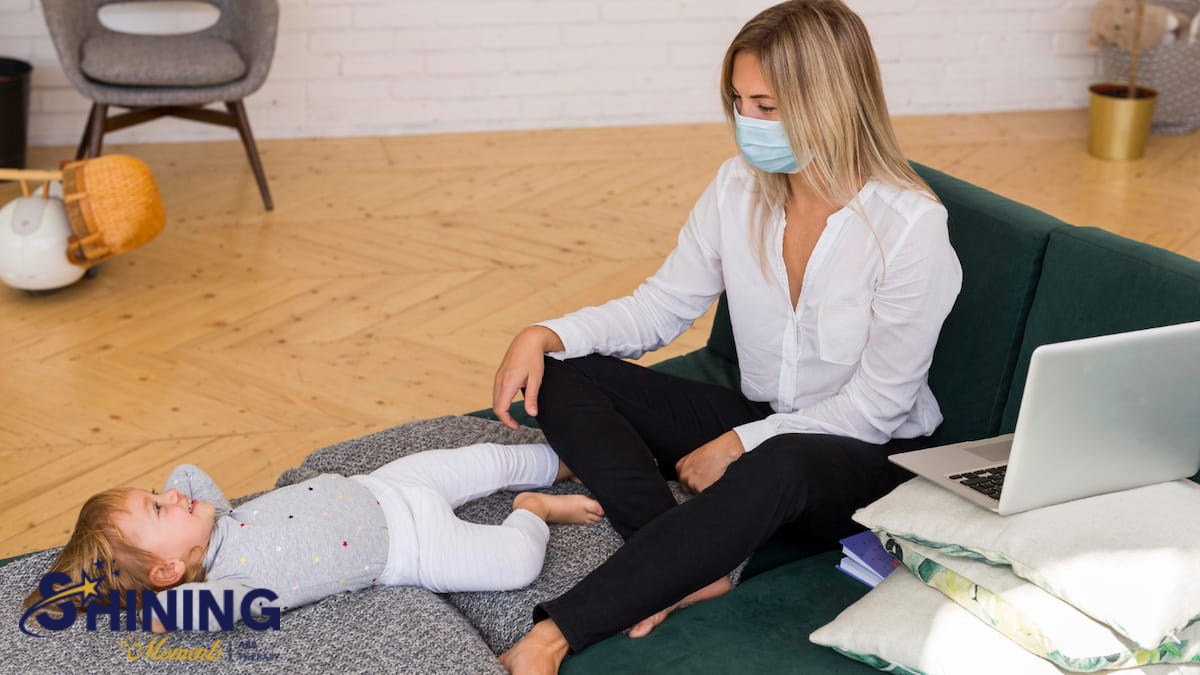
The idea of a therapist coming into your home can feel a little uncertain at first. What exactly will they do? How long will sessions run? Will it be disruptive to the rest of the family? These are completely fair questions.
In-home ABA therapy in Maryland is one of the most effective and family-friendly ways to deliver autism support, and once you understand how it works, most families find it fits into their lives more naturally than expected. Here is a clear, honest picture of what home-based ABA therapy in Maryland looks like from start to finish.
Why In-Home ABA Therapy Works
One of the core goals of ABA therapy is generalization, meaning your child actually uses the skills they learn in real situations, not just in a therapy room. When therapy happens at home, generalization is built in from the start. Your child learns to ask for a snack in your kitchen, follow a bedtime routine in their bedroom, and manage transitions in your actual living room.
Research supports home-based delivery, particularly for young children and for children working on daily living skills. Building independence through daily living skills is one area where home-based ABA consistently shines, since the skills are practiced exactly where they need to happen.
For families in Baltimore, ABA therapy at home in Baltimore also eliminates the stress of transportation, which can be a real barrier for families managing work schedules, younger siblings, or a child who struggles with transitions to unfamiliar places.
What to Expect from In-Home ABA Therapy in Maryland: Step by Step
Step 1: The Initial Assessment
Before therapy begins, a Board Certified Behavior Analyst (BCBA) conducts a comprehensive assessment in your home. This usually takes one to three sessions. The BCBA observes your child, administers structured skill assessments, and interviews you about your child’s strengths, challenges, and family priorities.
This is where you share what matters most to your family. Do you want your child to be able to communicate basic needs? To get through the morning routine without a meltdown? To play with siblings? Your input directly shapes the therapy program. Knowing what to expect from your first ABA assessment prepares you to make the most of this conversation.
Step 2: The Behavior Intervention Plan
After the assessment, the BCBA creates a written treatment plan, sometimes called a Behavior Intervention Plan or BIP. This document outlines your child’s target skills, the teaching strategies that will be used, and how progress will be measured. For challenging behaviors, the plan also explains why the behavior is happening and what replacement behaviors will be taught.
An individualized behavior plan is not a one-size-fits-all document. It is built around your specific child. You review and sign off on it before services begin.
Step 3: Active Therapy Sessions
Once the plan is approved, a Registered Behavior Technician (RBT) comes to your home to deliver direct therapy sessions. The RBT works under the supervision of the BCBA and follows the written program. Sessions typically run 2 to 4 hours for younger children and can be longer for school-age children.
During sessions, the RBT works on your child’s goals using structured teaching, naturalistic teaching, and positive reinforcement. Reinforcement means rewarding your child’s correct responses with something they find motivating, whether that is praise, a preferred toy, or a brief break to do something enjoyable. Understanding behavior reinforcement techniques gives you a practical look at how this plays out.
ABA Home Services in Baltimore, Maryland: What Families Say Surprises Them
ABA home services in Baltimore, Maryland, often surprise families in a few ways. First, therapy can look like play. Your child might be laughing, playing games, or doing puzzles while the RBT is carefully teaching communication or social skills in the background. Second, parents are involved more than expected.
Parent training is a built-in part of every in-home autism therapy in Baltimore MD program. Your BCBA will schedule regular sessions specifically to teach you how to implement ABA strategies during your daily routines. This is not an optional extra training. It is recognized as one of the most important factors in a child’s progress. Supporting your child at home with parent training strategies shows exactly what this looks like in practice.
How Progress Is Tracked in Home-Based ABA
ABA is a data-driven therapy. Your RBT records data during every session, tracking how many opportunities your child had to practice each skill and how many times they succeeded. The BCBA reviews this data weekly and adjusts the program as your child progresses.
You should receive regular progress updates. Most providers offer monthly or quarterly written reports and hold caregiver meetings to discuss your child’s growth. Ask your provider upfront how often you will receive formal updates and how you can access session notes. Consistent communication about your child’s progress is a sign of a quality program.
What ABA Therapy at Home Looks Like for Siblings and the Rest of the Family
Having a therapist in your home regularly is an adjustment. Most families find that it becomes routine within a few weeks. Sessions happen in a designated space, often the living room or your child’s bedroom, and the rest of the family can go about their day.
Siblings sometimes become curious about what is happening. That is normal. Some therapists will briefly include siblings in naturalistic play scenarios when appropriate, which can actually support your child’s social goals. Managing sibling dynamics and helping brothers and sisters understand autism is something many ABA providers can support you through.
Frequently Asked Questions
How do I access in-home ABA therapy in Maryland through Medicaid?
Maryland Medicaid covers ABA therapy for eligible children with autism. Accessing ABA therapy through Maryland Medicaid outlines the specific steps for Baltimore families.
How many hours per week does home-based ABA typically involve?
Program intensity is determined by the BCBA based on your child’s assessment. Most children receive between 10 and 30 hours per week. Toddlers often start lower and increase as they adjust to the routine.
Do I need to be home during ABA sessions?
For younger children, a parent or caregiver typically needs to be present. For older children, requirements may vary by provider. You are always welcome to observe and participate, and parent training sessions require your active involvement.
What happens if my child does not respond well to their RBT?
Provider-client fit matters. If your child is not connecting well with their therapist, talk to the BCBA immediately. A good provider will work to find a better match or adjust the approach before assuming the problem lies with your child.
Can home-based ABA therapy happen alongside school services?
Yes. Home-based ABA and school-based services are designed to complement each other. The BCBA can coordinate with your child’s school team to align goals and strategies across both settings.
Bring the Therapy Home. Watch the Skills Stick.
Your child’s home is where real life happens. That is exactly where ABA therapy should be. Shining Moments ABA delivers in-home ABA therapy across Maryland, with experienced BCBAs and RBTs who understand how to make therapy feel natural in a family setting. From the first assessment through active progress, we work alongside you every step of the way.
Contact us to schedule your free consultation and find out what home-based ABA therapy in Baltimore can look like for your family.