
Key points:
- Arizona families have several paths into ABA therapy in Arizona, including Medicaid, private pay, and school-based support options.
- Phoenix, Scottsdale, and Mesa each have their own provider networks, waitlists, and community resources worth learning early.
- Starting therapy sooner and picking the right provider can shape your child’s progress for years to come.
If you just got a diagnosis, or you’re still in the middle of figuring things out, you probably have a hundred questions right now. Where do you even start looking for in-home ABA therapy in Arizona? Will insurance help?
Is Phoenix different from Mesa when it comes to finding a good fit? This guide walks you through what Arizona families actually need to know before starting ABA therapy in Arizona, from coverage questions to choosing a provider your family can trust.
No jargon, no fluff, just the real stuff that matters when you’re making this decision for your child.
What Is ABA Therapy in Arizona and Why Families Choose It
Applied behavior analysis, or ABA, is a therapy that helps children build skills like communication, play, and daily routines. It breaks big goals into small, teachable steps. A therapist tracks what works and adjusts along the way.
Families across the state choose ABA therapy in Arizona because it’s one of the most researched approaches for supporting kids on the spectrum, and because it can happen almost anywhere your child spends time. Recent CDC data on autism prevalence shows roughly 1 in 31 children nationwide are identified with autism, a big part of why demand for ABA services keeps growing across the state.
Whether you live near downtown Phoenix or out toward the East Valley, the core approach stays the same. What changes is access. Some neighborhoods have more openings than others, and provider caseloads shift throughout the year, so it helps to explore your options across the state a little earlier than you might think you need to.
How ABA Therapy Actually Works Day to Day
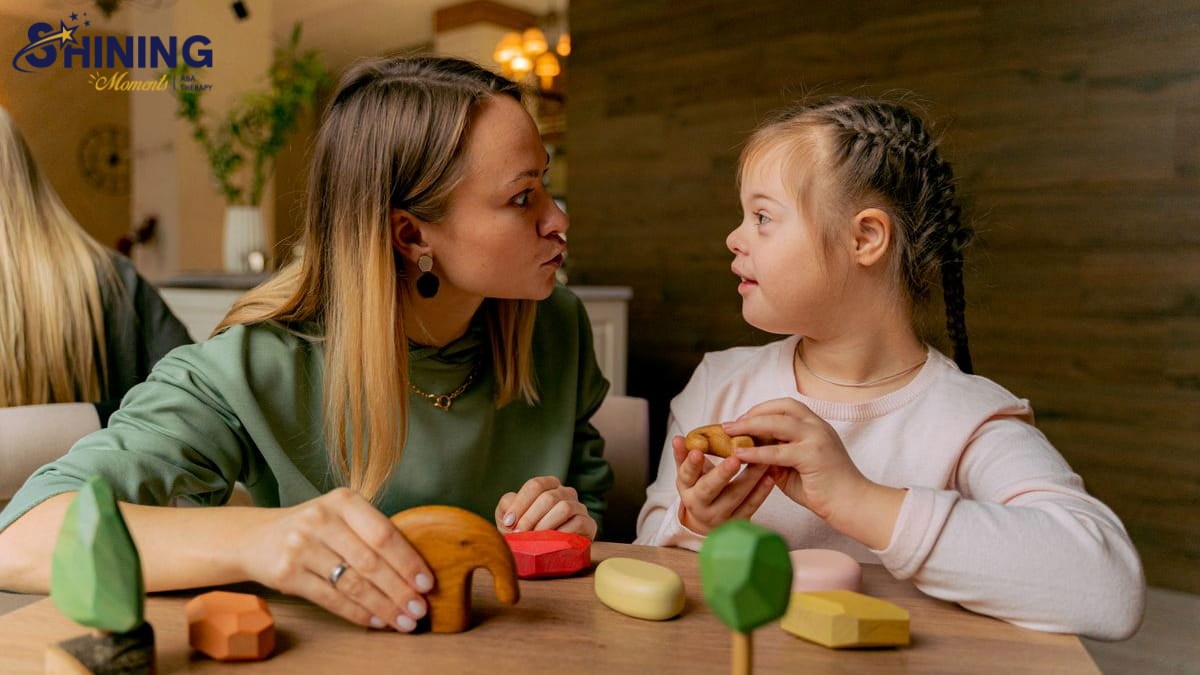
A lot of parents picture ABA as sitting at a table doing drills. That’s part of it sometimes, but most sessions look more like guided play.
- A behavior technician works one-on-one with your child on specific goals
- Progress gets measured and shared with you regularly
- Sessions can happen at home, in a clinic, or even at school
- Your feedback shapes what happens in future sessions
Consistency across settings helps skills stick faster.
Does Arizona Medicaid Cover ABA Therapy?
This is usually the first question on every parent’s mind. The short answer is yes, in many cases. Does Arizona Medicaid cover ABA therapy for kids with a diagnosis? Through AHCCCS, Arizona’s Medicaid program, medically necessary ABA is generally covered for children under 21 when a doctor documents the need. That said, coverage details depend on your specific plan and managed care organization.
What AHCCCS Typically Covers
- Diagnostic assessments tied to autism spectrum disorder
- Ongoing ABA sessions based on medical necessity
- Family training so you can reinforce skills outside of sessions
- Care coordination between your child’s providers
You can check the official AHCCCS autism resources page for the most current coverage details and eligibility rules, since policy specifics can shift from year to year.
If your plan has gaps, ask about prior authorization steps early. It saves you a lot of back and forth later. Coverage can extend beyond weekly sessions too, so ask what ABA services are included in your specific authorization.
Finding ABA Providers in Mesa, Arizona and the East Valley
Mesa has grown into a hub for pediatric therapy services, but that also means more choices to sort through. Families searching for ABA providers in Mesa, Arizona should look past flashy websites and ask about the actual clinical team.
The same advice holds just west of there too. Families comparing ABA therapy in Phoenix, AZ against East Valley options often find that drive time and session flexibility matter just as much as clinic reputation.
Questions Worth Asking Before You Sign Up
- Who supervises your child’s individualized behavior plan, and how often is it updated?
- What is the ratio of behavior technicians to supervising BCBAs?
- How soon can therapy actually start after intake?
- Does the provider offer both center-based and in-home options?
A good provider answers these without hesitation. If you’re getting vague answers, that’s worth noting. Our guide on choosing the right ABA center walks through even more red flags and green flags to watch for during intake calls.
Autism Therapy in Scottsdale: Local Considerations
Scottsdale families often juggle school schedules, extracurriculars, and therapy all at once. Autism therapy in Scottsdale tends to work best when it’s coordinated with your child’s school team rather than treated as something separate.
Ask your child’s school about existing developmental screenings and any individualized education plans already in place. Overlapping efforts between school staff and your ABA team speed up progress and cut down on confusion for your child. Many providers offering autism therapy in Scottsdale also run parent training in the evenings, which helps working families stay involved.
Some families driving in from north Scottsdale find it easier to combine a weekly clinic visit with a few in-home sessions, splitting the difference between structure and convenience. If your child is very young, starting early intervention sooner rather than later tends to pay off down the road.
In-Home ABA Therapy in Arizona vs Center-Based Care
Both formats work, but they serve different needs. In-home ABA therapy in Arizona brings the therapist into your child’s actual environment, which can make skills generalize faster since your kid isn’t just learning something in a clinic room and then struggling to use it at home.
When In-Home Sessions Tend to Work Best
- Your child gets overwhelmed in unfamiliar or busy settings
- Daily living skills, like mealtime or getting dressed, are a current goal
- Siblings or other caregivers need to be part of the learning process
- Transportation to a center is a real barrier for your family
Center-based care has its own strengths too, especially for building social skills in group settings with other kids. Some families end up using a mix of both, and that’s completely normal.
If you’re still unsure which route fits, our piece on early signs of autism worth watching for can help you figure out timing. And once you’ve picked in-home sessions, a quick read on getting your home ready for sessions makes that first visit much smoother.
Autism Services in Phoenix AZ: Building Your Support Team
Phoenix has one of the largest networks of pediatric autism providers in the state, which is a good thing, but it can also feel like too many options at once. When you’re researching autism services in Phoenix, AZ, think beyond just ABA. Speech therapy, occupational therapy, and developmental pediatricians often work alongside your ABA team.
Start by asking your pediatrician for referrals, then check whether providers are in-network with your insurance or AHCCCS plan. A short phone call with the intake coordinator usually tells you more than a website ever will. Trust your gut. You know your child best, and the right team will feel like a partnership, not a transaction.
Families comparing ABA therapy in Phoenix, AZ across a few clinics often notice real differences in how fast staff responds to questions, and that responsiveness usually carries over once therapy starts.
Getting your child’s care team aligned early sets the tone for everything that follows. No matter which part of the Valley you call home, ABA therapy in Arizona works best when your whole support network, including parent coaching and collaboration, is pulling in the same direction.
What to Expect in Your First Few Months
The first few weeks usually involve an assessment, goal setting, and some trial and error as your child gets comfortable with a new therapist. Don’t panic if progress feels slow at first. Building trust takes time, and rushing it can set things back.
- Week one to two: your first ABA assessment and getting-to-know-you sessions
- Month one: baseline goals get set, and therapy ramps up
- Month two to three: you should start seeing small wins reported regularly
If you’re not seeing any communication from your provider by month two, speak up. Regular updates should be part of the deal. This general timeline holds whether you’re working with ABA providers in Mesa, Arizona, a clinic offering ABA therapy in Phoenix, AZ, or a smaller practice elsewhere in the Valley.
Frequently Asked Questions
How do I know if my child qualifies for ABA therapy in Arizona?
A formal autism diagnosis from a qualified provider is typically the first step, followed by a referral for an ABA assessment. This applies whether you’re looking at autism services in Phoenix, AZ, or providers elsewhere in the state.
Does Arizona Medicaid cover ABA therapy for older children too?
Yes, AHCCCS generally covers medically necessary ABA for eligible members up to age 21, though hours and services depend on documented need.
How long does it take to start in-home ABA therapy in Arizona?
Timelines vary by provider, but many families begin sessions within two to four weeks after intake and authorization are complete.
What is the difference between a BCBA and a behavior technician?
A BCBA designs and oversees your child’s treatment plan, while a behavior technician delivers the day-to-day sessions under that supervision.
Can we switch ABA providers if it’s not working out?
Yes, switching providers is common and allowed. Ask your insurance about transfer steps so your child’s services continue without a long gap.
Your Family’s Next Step Starts Right Here in Arizona
Finding the right fit for ABA therapy in Arizona does not have to feel like a maze. Every family’s timeline looks a little different, and that is okay. What matters most is getting started with a team that listens, communicates clearly, and treats your child as an individual instead of a case number.
Shining Moments ABA works with families across Phoenix, Scottsdale, Mesa, and beyond to build ABA plans that actually fit your household, your schedule, and your child’s goals.
Reach out to us today to talk through your options and take the first real step toward steady, meaningful progress.